
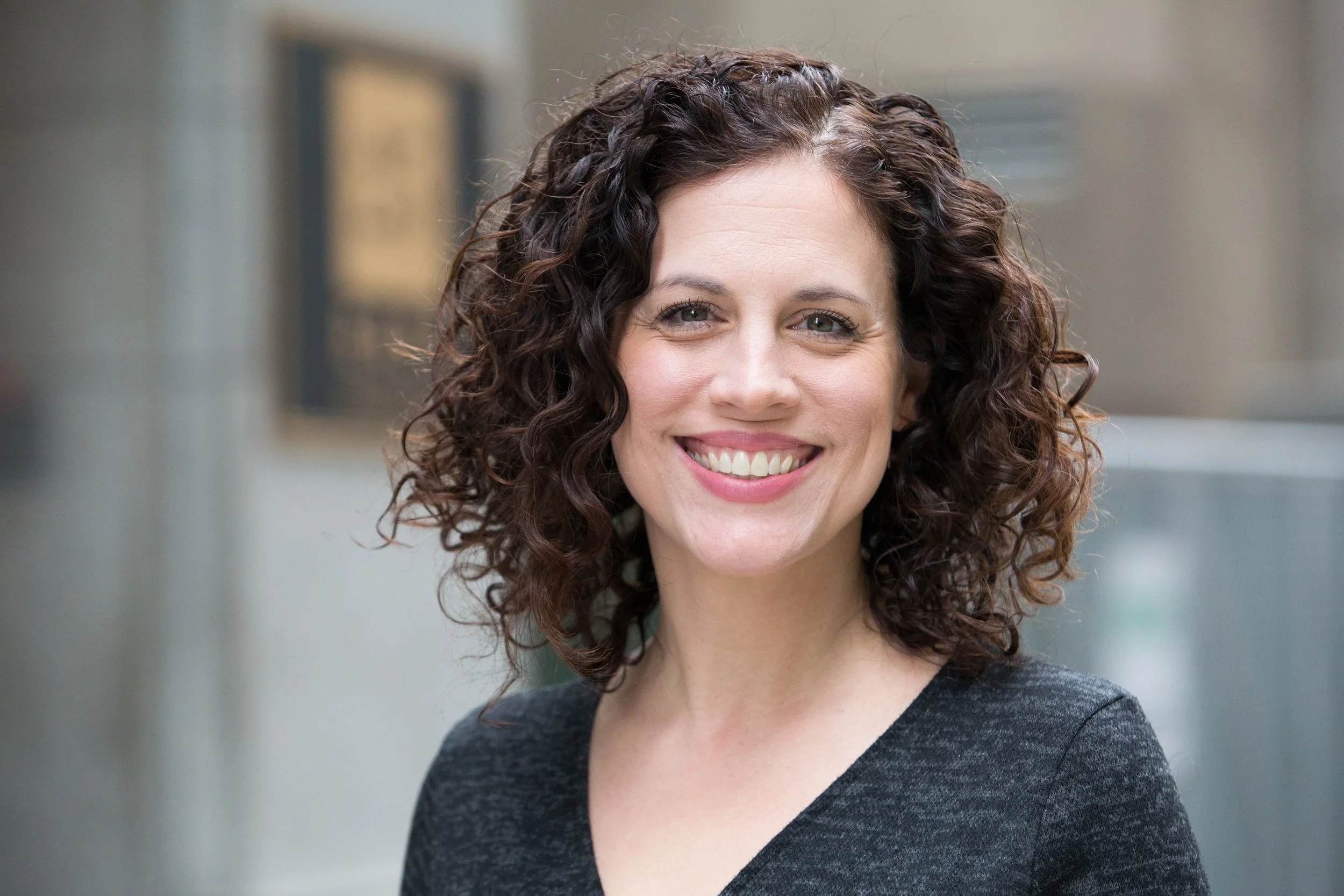
ABOUT SARAH MORGAN, LCSW
Thoughtful therapy. Genuine connection.
For more than twenty years, I've worked with adults navigating the many seasons of life: relationships, family, work, grief, mental health, caregiving, and everything in between. My work isn't about offering quick fixes. It's about helping you better understand yourself, your relationships, and the life you're living.
About Sarah
I completed my graduate training at the University of Chicago and have spent my career in nonprofit organizations, higher education, and private practice. Over the years, one thing has become clear: people don't need another place to perform. They need a place to be honest, face what they've been avoiding, and let go of the shame that's kept them stuck. That's the kind of therapy I love. My approach is long-term and insight-oriented. It's the deeper work of understanding yourself, at a pace that respects how complex that work really is.
Therapy should make room for your whole life, not just your symptoms. That includes the families, identities, relationships, communities, and systems that shape you. As a clinical social worker, I believe the context of your life matters just as much as what brought you to therapy.
What therapy with me is like:
Our work together is thoughtful, collaborative, and conversational. I ask questions. We notice patterns, make connections, and often challenge old narratives. Other times, we simply make space for parts of yourself to be seen, welcomed, and honored, including the parts you've never had the chance to say out loud.
But understanding is only part of it. We'll also work together to set priorities, try new approaches, and figure out what change actually looks like in your day-to-day life, not just in the room.
My hope is that therapy becomes a trusted, compassionate space where you feel seen, supported in taking action, and never rushed, judged, or expected to have everything figured out.
A few things that matter to me. I believe…
Therapy should honor the whole human, not just the problem.
Relationships have the power to heal.
Our environments matter, including the spaces where therapy happens.
Growth doesn't require becoming someone new.
Curiosity is often more helpful than certainty.
Everyone deserves to feel respected, welcomed, and understood.
The next chapter doesn't have to look like the last one.
RELATIONSHIP-CENTERED THERAPY FOR ADULTS VIRTUALLY IN CHICAGO AND THROUGHOUT ILLINOIS